Demand was never the problem.
Manufacturer-to-retail advertising rarely fails for lack of interest or brand. It fails in the gap between the manufacturer's order book and the retail floor. Plunk runs co-op campaigns from the catalog and connects both sides of the chain, so demand lands where the product actually is, and every dollar is measured against orders that happened. Each side still runs its own campaigns from the same console.
ROAS from orders, not platform claims
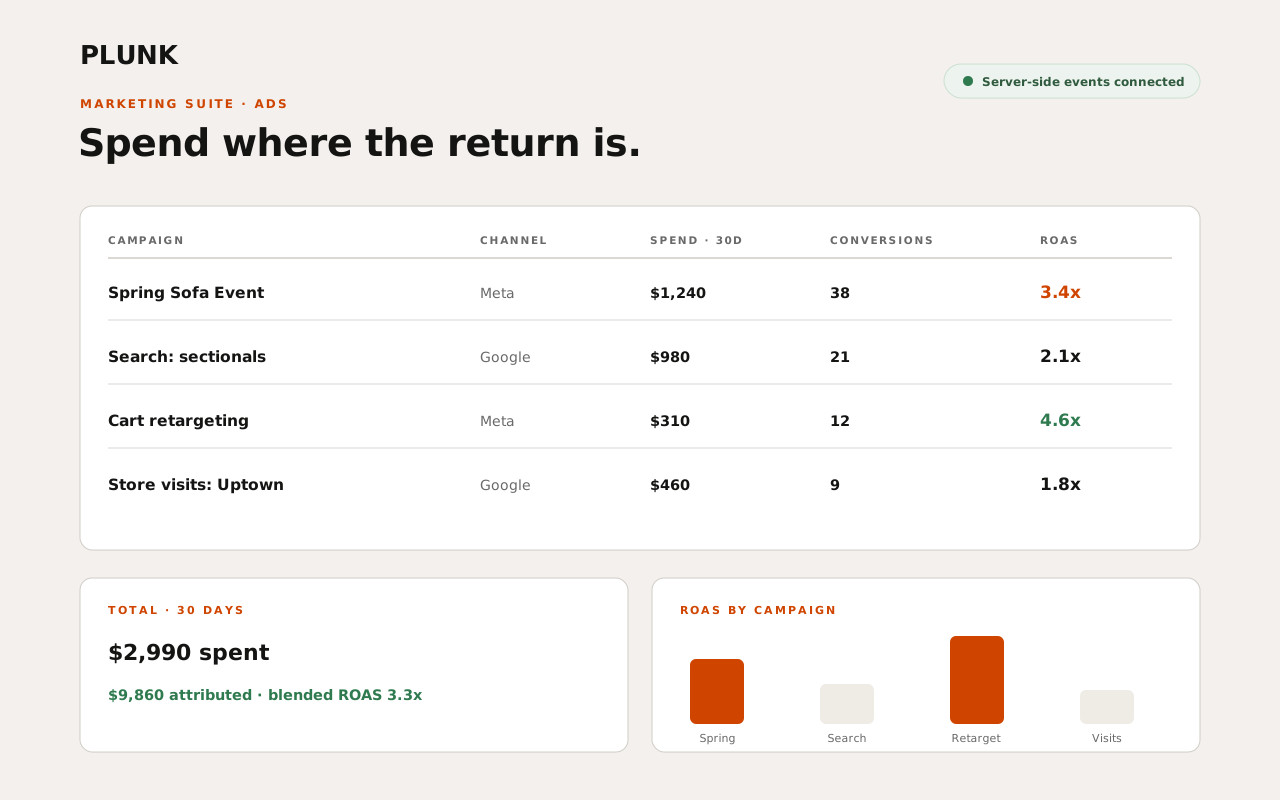
Server-side events tie ad clicks to the orders that followed, on your rail. Spend sits beside attributed revenue per campaign, and the blended number is one you can repeat to a CFO.
Close the distance between your order book and the floor
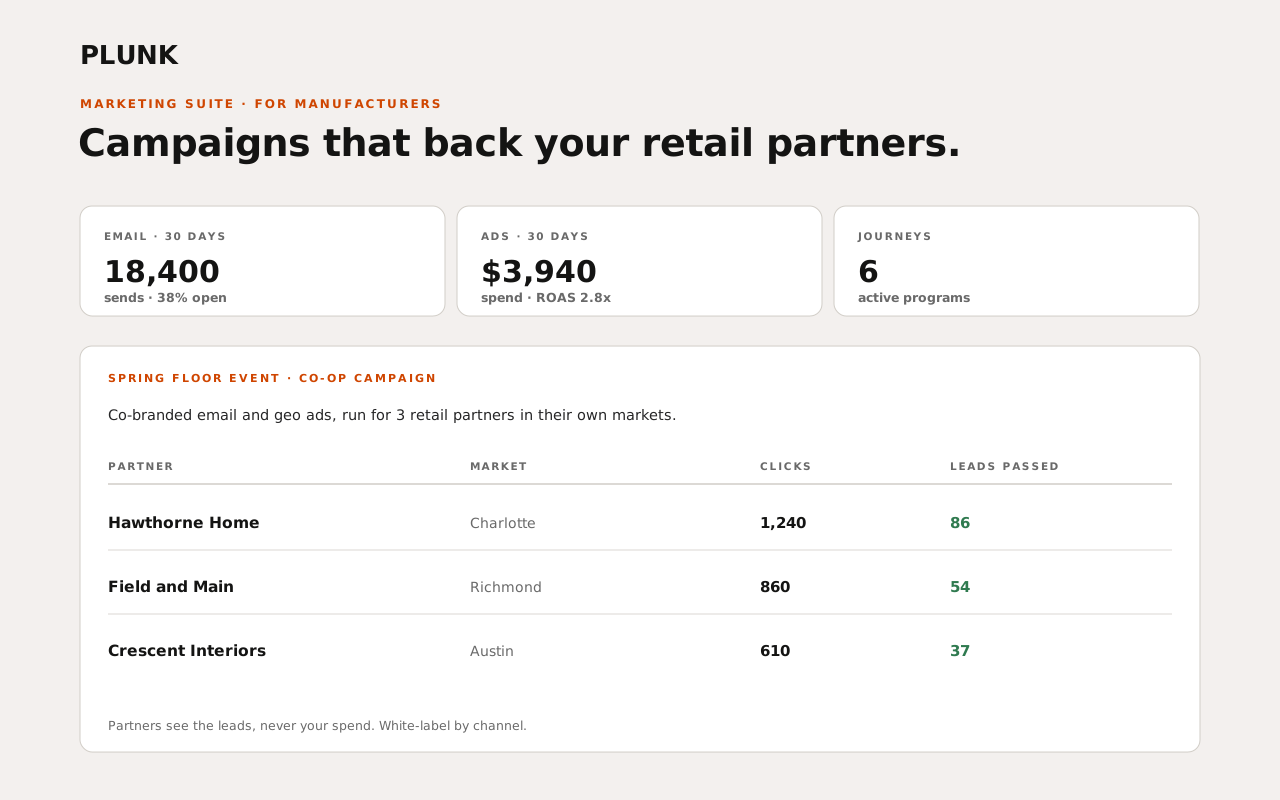
A manufacturer's ad spend has always died somewhere between the order, the shipment, and the store. Plunk keeps the catalog, the retail accounts, and store performance in the same platform the campaign runs from, so campaigns point shoppers at the retailers who actually carry the line, and spend follows where the product lands instead of guesswork.
One chain, both sides winning
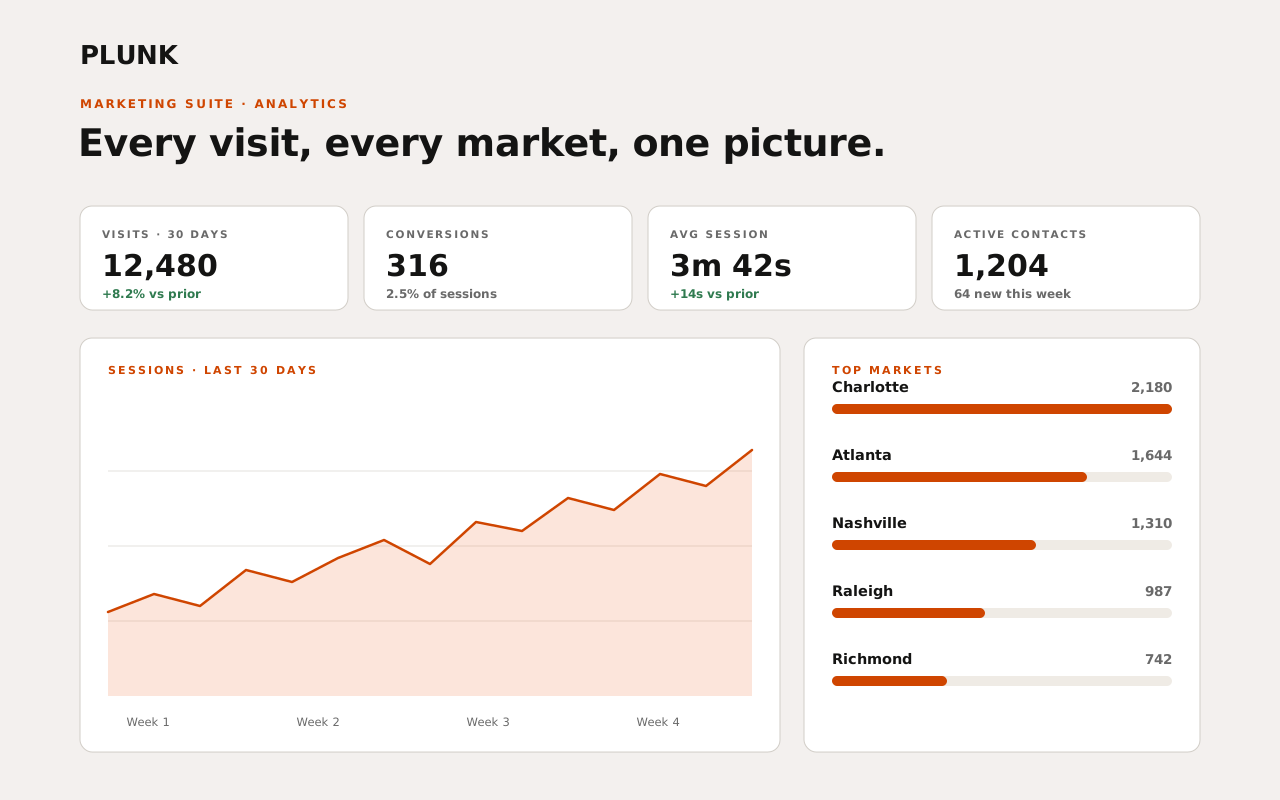
Manufacturers see partner sell-through and account health. Retailers receive qualified demand tied to lines they stock. Shared numbers replace the co-op mystery, and paid sits next to organic, email, and direct in the same analytics, so budget follows the channels that produce customers on either side of the chain.
Audit one month of spend.
Bring last month's campaigns. We will show you what server-side attribution says actually came back.